The comprehensive multisectoral action framework for malaria and sustainable development
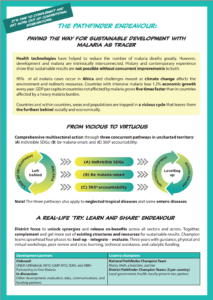
Despite longstanding efforts and significant investments, the world remains off -track for achieving the Sustainable Development Goal target of ending malaria by 2030. Malaria persists where sustainable development is slowest. Countries with a high malaria burden experience a 1.3% annual loss in economic growth, and their GDP per capita grows up to five times more slowly than in countries with little or no malaria. Inverting the vicious cycle requires new, integrated ways of collaborating; and thinking holistically about development and comprehensive multisectoral action is essential. Conventional malaria interventions are faced with a system challenge.
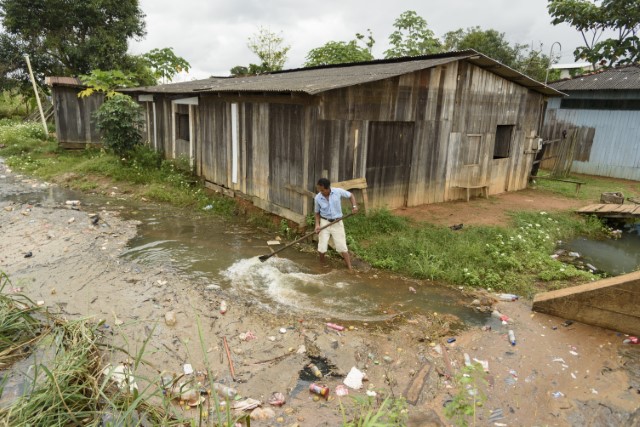
In many settings, the root causes of malaria extend beyond the confines of the healthcare sector, reaching into realms such as social and economic inequities, poor housing, environmental degradation, agricultural practices, and water and waste management. Yet, the global response to malaria has traditionally centered on the health sector and vector control, often neglecting the broader determinants of the disease.
Tools and Examples
Pathfinding for Comprehensive Multisectoral Action Tool
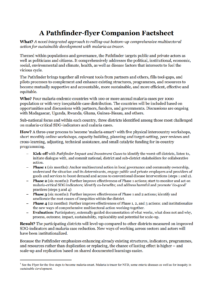
The Pathfinder Endeavour is a collaboration between UNDP, WHO, UN-Habitat, the Roll Back Malaria Multisectoral Working Group and others. It aligns directly with UNDP’s Strategic Plan for 2022-2025, emphasizing collaboration across the revitalized UN-system to achieve transformative change.
To achieve the goals of malaria elimination, improved population health, and reduced inequities concerted simultaneous actions across multiple sectors and all SDGs are necessary. This comprehensive multisectoral approach encompasses political, institutional, social, economic, environmental, climatic, and health-related factors that intersect to drive the vicious cycle of malaria. It recognizes that addressing these multifaceted issues calls for collaboration that transcends individual sector interests. It also promotes political, technical, and public accountability through direct and real-time engagement with citizens.
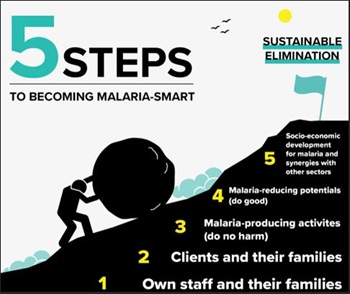
Example of Multisectoral Action
Malaria and poverty are intricately linked, with nearly half of households in malaria-prone areas spending over 40% of their income on healthcare, pushing billions deeper into poverty. Despite new vaccines, progress in reducing cases has stalled, and climate change, conflict, and displacement are worsening the situation. Countries like Sri Lanka, Azerbaijan, and Tajikistan have shown that integrating sustainable development practices with malaria interventions—such as improving living conditions and water management—can drive success. UNDP, alongside key partners, is promoting a multisectoral approach that addresses the root causes of malaria while advancing health, economic, and social development. To meet global targets by 2030, bold, integrated actions and increased funding are essential to create a malaria-free and more equitable world. Learn more here