Procurement
Purpose
An effective procurement process seeks to ensure the availability of the right health products in the right quantities, at the most affordable prices while ensuring recognized standards of quality.
Strategic objectives for good pharmaceutical procurement include:
- selection of reliable suppliers of high-quality products
- procurement of the most cost-effective pharmaceutical products in the right quantities and that meet quality standards
- mitigation of possible risks
- timely delivery
- achievement of the lowest possible total cost (which includes the price, cost of analysis and transport).
UNDP’s approach
Support to countries for health procurement can be provided by UNDP for several categories of medicines for infectious diseases such as HIV, tuberculosis (first-line drugs) and for non-communicable diseases, such as cancer and cardiovascular diseases, and other related medicines. All the procurement of pharmaceuticals and other health products is performed in full compliance with the UNDP Quality Assurance Policy for Health Products. Furthermore, UNDP’s offer can include procurement for a broad range of laboratory and hospital equipment as well as solar panels and related equipment. In 2020, UNDP supported procurement in the context of national responses to the COVID-19 pandemic, including securing and supplying live-saving personal protective equipment, diagnostics and hospital equipment to countries globally. UNDP has delivered COVID-19 related products valued at over $213 million to 140 country offices.
Prioritizing sustainability in procurement
In close collaboration with governments, United Nations agencies, manufacturers, freight forwarders and partners, UNDP is adopting incremental measures and models in its health procurement practices to minimize the environmental impact and to incorporate economic and social sustainability. Learn more on the Sustainable procurement page.
Tools and support mechanisms
UNDP jointly with the Chartered Institute of Purchasing and Supply (CIPS) has established a training and certification curriculum tailored to UNDP staff and staff from the procurement units of ministries of health, national medical stores and non-governmental organizations.
Key Resources
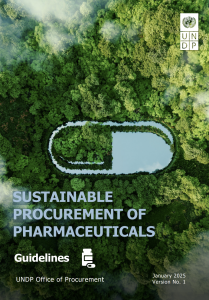
UNDP is procuring medicines to combat HIV, TB and Malaria diseases by implementing Global FundGrants. In addition, UNDP has a financing agreement with the governments for implementing healthprogrammes for non-communicable...
UNDP staff managing health procurement for the Global Fund supported countries can find more in-depth instructions and procedures in the UNDP-Global Fund/Health Implementation Guidance Manual.
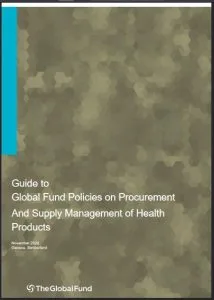
The Global Fund principles and standards related to quality assurance of health products are summarized in this booklet

World Health Organization
World Health Organization – Interagency Guidelines