Use of medicines and other health products
Purpose
Use of medicines entails the concept of ‘rational use’, pharmacovigilance, and waste management. Similarly, the appropriate use of diagnostics and laboratory devices is linked to the respect of the international guidance on condition of use, and other aspects such as installation, calibration, training and maintenance plans for more complex diagnostics.
The rational use of drugs requires that patients receive medications appropriate to their clinical needs, in doses that meet their own individual requirements, for an adequate period of time, and at the lowest cost to them and their community.
World Health Organization
The World Health Organization advocates the following key interventions to promote more rational use:
- establishment of a multidisciplinary national body to coordinate policies on medicine use;
- use of clinical treatment guidelines;
- development, regular update and use of national essential medicines list, in line with clinal guidelines;
- regular availability of timely and accurate inventory data for informed decision-making;
UNDP’s approach
While the World Health Organization (WHO) is the lead agency mandated to provide technical assistance in the area of rational use of medicines and pharmacovigilance, UNDP’s service level agreements with governments to strengthen pharmaceutical management can include aspects related to rational use and pharmacovigilance. UNDP can also support the strengthening of the regulatory agencies and systems in regulating, controlling and monitoring the use of authorized medicines in the countries. As part of national strategic laboratory plans, UNDP has solid experience in contracting for installation, calibration and maintenance services of complex diagnostics for tuberculosis and HIV.
Key Resources
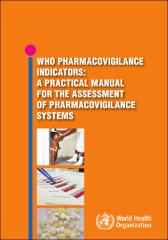
WHO: Pharmacovigilance Indicators:A Practical Manual for the Assessment of Pharmacovigilance Systems
World Health Organization
World Health Organization

Management Science for HealthAdditional information on the irrational use of medicine, its adverse impact and underlying factors, as well as strategies to improve rational use, can be found in this...
WHO resource material on rational drug use can be accessed on this webpage.
WHO has defined core components for the rational use of medicines, which shall be applied across all medicine categories.